Capacity is not the whole decision
A corn husker is often judged too quickly by capacity and too late by everything else. On paper, many machines appear similar. In production, the differences become obvious. Feeding consistency, roller setup, angle adjustment, wear behavior, service access and digital control all influence whether the husker delivers stable output or quietly becomes the section that limits the whole line.
Husking is not only a cleaning task. It affects downstream cutting quality, operator workload, recirculation, kernel protection and overall process rhythm. A husker that feeds unevenly or damages product does not stay an isolated problem. It sends instability into the cutter and forces the rest of the line to compensate. For processors who want reliable performance, that is the wrong place to save attention during procurement.
Start with feed stability
The first point to evaluate is feed stability. Corn should arrive at the husking section in a way that supports even treatment across lanes. If infeed is inconsistent, some cobs receive more aggressive treatment than others, output quality becomes less predictable and the machine's nominal capacity becomes less meaningful.
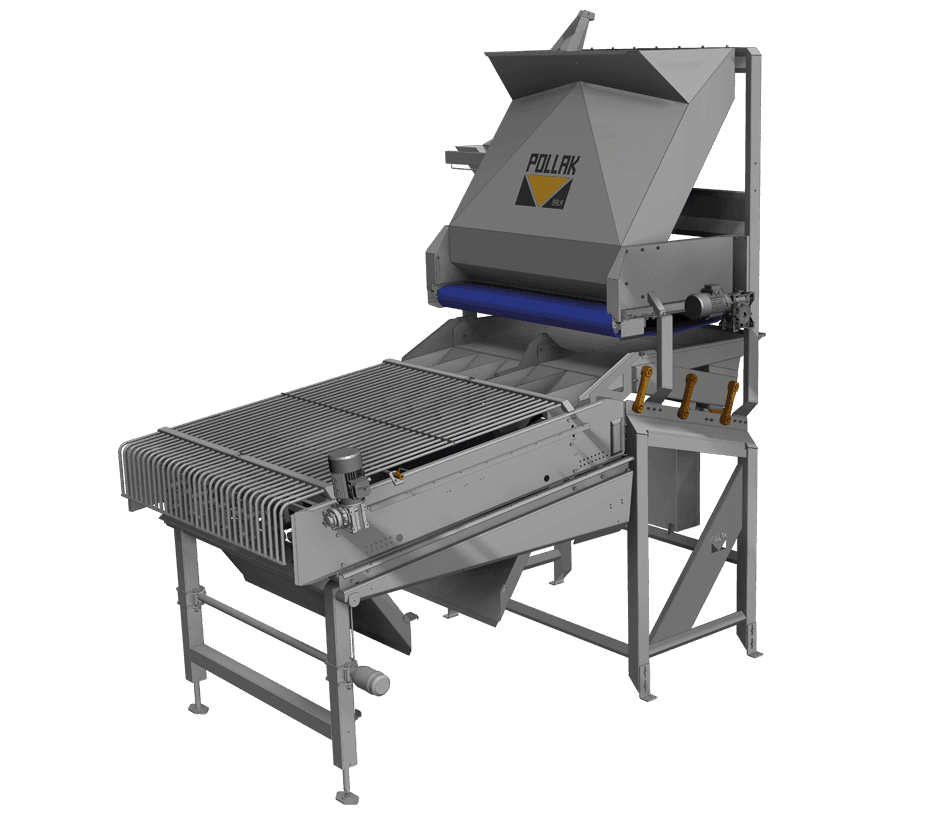
Equalizing buffers and vibratory feeding therefore deserve more attention than they usually get in short product comparisons. A husker is only as stable as the product flow entering it.
Match lane count to the full line
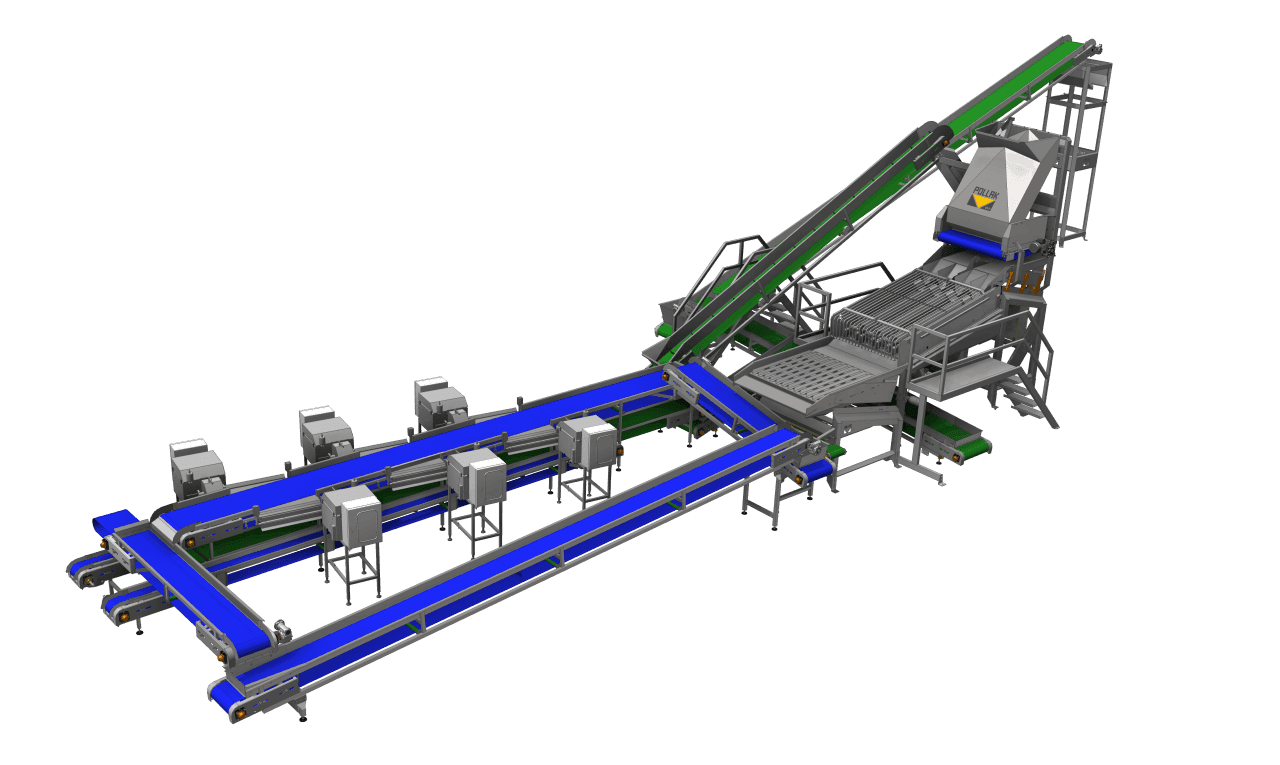
Another key area is lane count and throughput matching. Processors should not choose the largest machine simply because growth may come later, nor should they undersize the husker and force the cutter to wait.
The right question is how well the husker's realistic output fits the downstream line. Capacity should be evaluated in the context of sweet corn quality, the number of active shifts, maintenance windows and the performance of the cutter that follows. Line balance matters more than isolated peak numbers.
Roller logic and adjustability protect grain quality
Husking performance depends heavily on how the rollers interact with the cob. If the machine cannot adapt the angle and working conditions of the rollers with enough precision, the processor may see incomplete husk and hair removal on one side of the operating range and unnecessary shelling damage on the other.
Electrically adjustable roller angle is a meaningful feature rather than a nice extra. It gives the line more room to adapt when incoming material changes, and it helps the processor protect grain quality without giving up cleaning performance. In practical terms, adjustability reduces the risk that one compromise setting will be forced onto every product condition. That is valuable over long campaigns with fluctuating field quality.
Service behavior is part of uptime
Downtime in a husker is often driven by wear parts, lubrication issues and access limitations. When maintenance is awkward, simple tasks consume too much time and wear escalates into longer interruptions.
A professional buyer should ask where routine service points are, how parts are replaced, which components wear fastest and how quickly critical spares can be sourced. This is especially important in peak processing windows where small delays become operationally expensive.
Spare parts are not a side topic. They are part of the uptime strategy. A good husker should be evaluated together with the service logic around it, including the availability of common wear parts, the clarity of maintenance routines and the speed of support when the line needs attention.
Controls and supplier support complete the decision
Processors increasingly value machines that provide more than basic mechanical output. PLC control, touch-screen operation and readiness for remote support help maintenance teams react faster and help operators understand what the machine is doing. That improves troubleshooting, but it also supports the daily discipline of running the husking section in a controlled, repeatable way.
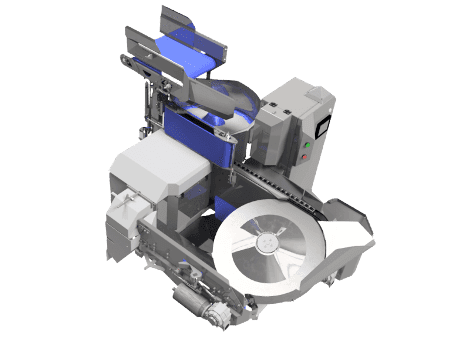
POLLÁK ŠAĽA's CornHusk family can be discussed in clear operational language. The range covers different capacity requirements, supports automatic operation, uses an equalizing buffer with vibratory feeding, offers adjustable roller angle during operation and is built around stainless-steel construction with PLC-based control.
For buyers comparing suppliers, a practical short list of questions helps cut through vague sales language. Ask how the machine maintains even feeding, how easily the roller angle can be adjusted during real operation, what wear parts typically need attention, how fast they can be supplied, how the husker is sized relative to the cutter and what remote support or diagnostic capability exists. Ask how the supplier helps the customer plan for service, not only for installation.
Those questions create a better procurement process because they focus on what matters after the machine is commissioned. Reliable performance is built from feed stability, correct adjustability, predictable maintenance and good integration with the rest of the line. A corn husker that supports those priorities does more than remove leaves and hairs. It protects the stability of the entire sweet corn process.